

Skip to content

Breeds we love

Every breed has its own character and pace of life. Find the one that suits you and see which kittens are looking for a home right now.

Find your breed ♡

Available kittens

List of breeds

  • British Shorthair

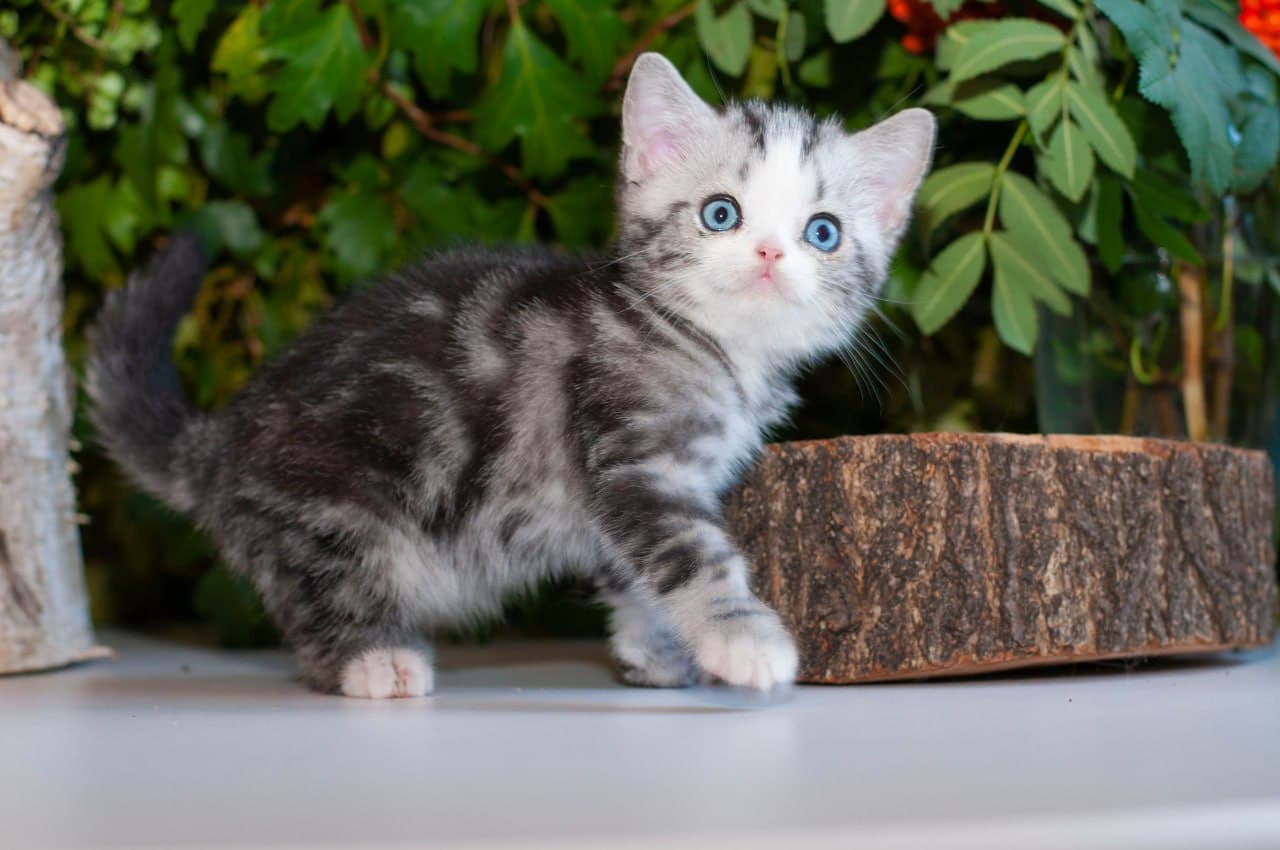
    One of Britain’s oldest breeds — British Shorthairs were already on show at the very first cat show in 1871. Calm, balanced and undemanding, they like to be near their people rather than always in their arms, so they cope well while owners are at work. The dense, plush coat needs brushing about once a week (more often while shedding), and the breed is a great match for families and first-time cat owners.

    1 kitten available
  • Scottish

    The breed traces back to Susie, a white farm cat with folded ears spotted in Scotland in 1961; there are Folds and Straights, and responsible breeders only pair a Fold with a straight-eared cat. Scottish cats are gentle, calm and sociable, love being at the heart of family life and usually get on well with children. The thick coat needs brushing about once a week, a little more often for longhaired cats.

    No kittens right now

  • Munchkin

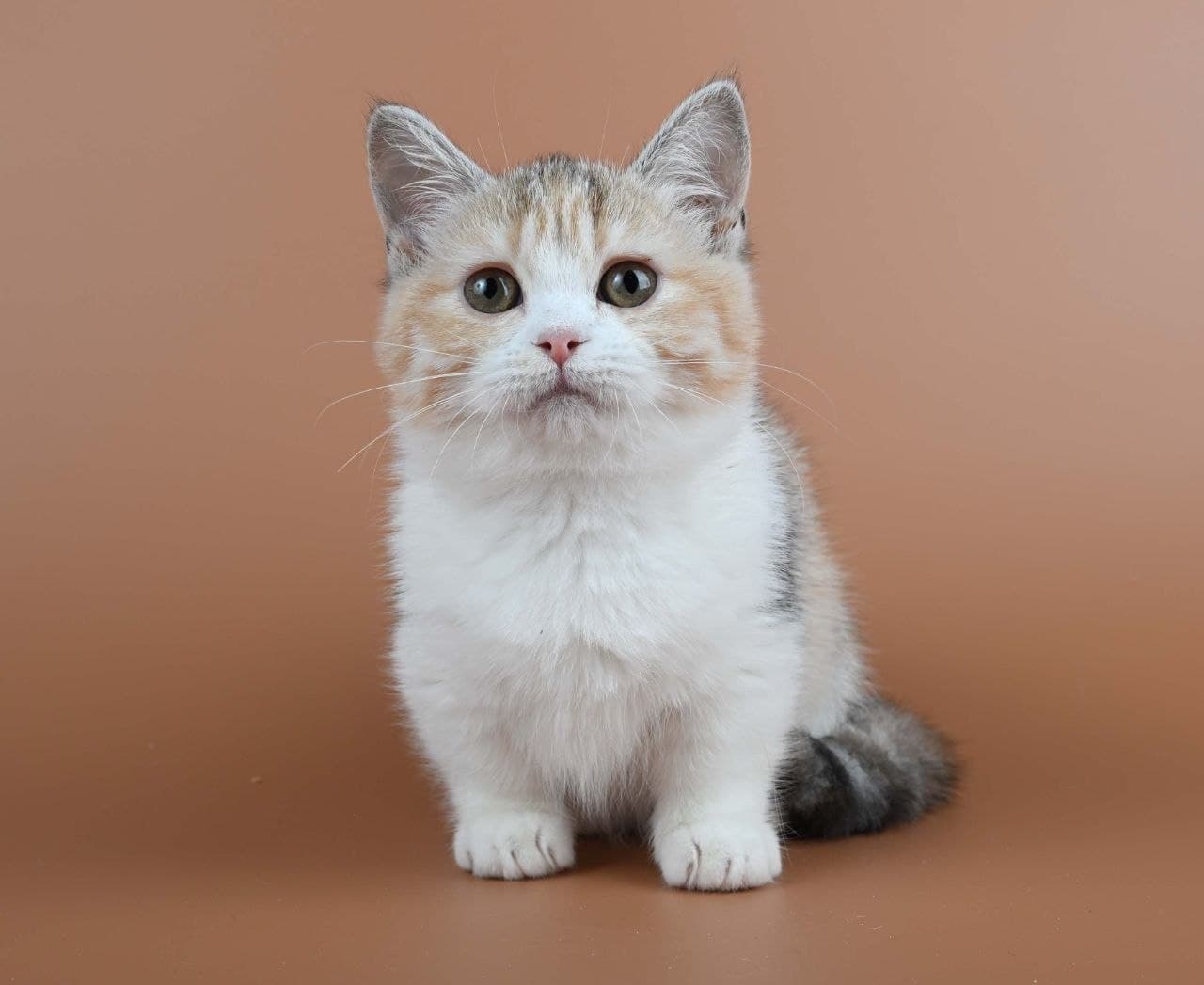
    Munchkins come from the USA: in 1983 a short-legged cat named Blackberry was found in Louisiana and became the foundation of the breed — the short legs are the result of a natural mutation. They are curious, sociable and very playful, run surprisingly fast and love to sit up on their hind legs like a meerkat. The short or semi-long coat only needs brushing once or twice a week; a Munchkin suits families with children and other pets, and a few low steps by the sofa make life even easier.

    3 kittens available

  • Sphynx

    The best-known variety is the Canadian Sphynx, which goes back to a hairless kitten born in Toronto in 1966; the lack of fur is a natural mutation. Sphynxes are extremely affectionate, sociable and warm to the touch, love sleeping under the blanket with their owner and don’t like being alone. Their skin needs regular baths or wiping and protection from cold and direct sun, so the breed suits people who are often at home and ready for special care.

    No kittens right now

  • Devon Rex

    The Devon Rex appeared in Devon, England, in 1960, when a curly-coated kitten named Kirlee was born there. These playful, clever cats with big ears and an elfin face are deeply attached to people — they happily ride on shoulders and join in everything you do. The short wavy coat sheds little and needs only gentle care, while the ears need regular cleaning; the breed suits active households where the cat is rarely left alone.

    No kittens right now

  • Cornish Rex

    The Cornish Rex comes from Cornwall, England, where a curly kitten named Kallibunker was born in 1950. Slender, athletic and tireless, they stay kitten-playful well into old age and love attention. The short coat lies in tight waves and has no guard hairs, so a stroke with your palm or a soft grooming mitt is enough; a Cornish suits active owners who are ready to play a lot.

    No kittens right now

  • Selkirk Rex

    The Selkirk Rex is a young breed from Montana, USA, that began in 1987 with a curly cat called Miss DePesto. These cats are calm, patient and affectionate, and their easy-going nature and plush curls often earn them comparisons with teddy bears. The coat can be short or long and is combed gently once or twice a week so the curls keep their shape; the breed does well in families with children.

    No kittens right now

  • Maine Coon

    The Maine Coon is one of North America’s oldest natural breeds and the official state cat of Maine. These are big but remarkably gentle cats: sociable, clever, fond of “talking” in soft trills and often curious about water. The long, water-resistant coat with its full ruff needs brushing twice a week; Maine Coons mature slowly and suit families with room for a large companion.

    No kittens right now

  • Siberian

    The Siberian is a natural forest breed shaped by Siberia’s harsh climate. Strong, agile and clever, Siberians are devoted to their family, get on well with children and other pets and stay playful for a long time. The dense triple coat is water-repellent and rarely mats, but it needs more brushing during the seasonal moult; the breed suits families looking for a sturdy, loyal companion.

    No kittens right now

  • Ragdoll

    The Ragdoll was developed in California in the 1960s; the name comes from the way these cats relax and go limp when picked up. Large, blue-eyed and very affectionate, Ragdolls are calm, follow their people from room to room and are usually very patient. The silky semi-long coat has little undercoat and rarely mats — brushing once or twice a week is enough; the breed is ideal for a calm home and families with children.

    No kittens right now

  • Abyssinian

    The Abyssinian is one of the oldest known breeds: the name refers to Abyssinia (today’s Ethiopia), and British breeders shaped its modern look in the late 19th century. These are energetic, curious and intelligent cats that love heights, puzzle toys and taking part in everything that happens at home. The short ticked coat, where each hair carries several bands of colour, needs almost no grooming, and the breed suits active people who are ready to play a lot.

    No kittens right now

  • Somali

    The Somali is the longhaired “sister” of the Abyssinian, developed as a separate breed in North America in the 1960s–70s. Somalis are just as lively, playful and curious as Abyssinians, very sociable and fond of human company. The semi-long ticked coat and bushy “fox” tail need combing once or twice a week; the breed suits active families looking for a bright, cheerful companion.

    No kittens right now

  • Persian

    The Persian is one of the oldest breeds: its ancestors reached Europe from Persia (today’s Iran) in the 17th century, and the modern type was shaped in Britain and the USA. Persians are calm, gentle and quiet, and they value comfort, a predictable routine and the quiet company of their owner. The long, thick coat needs daily combing and the eyes regular care, so the breed suits people who enjoy a slow pace and are ready to spend time on grooming.

    No kittens right now

  • Exotic Shorthair

    The Exotic Shorthair appeared in the USA in the 1950s–60s from crossing Persians with American Shorthairs and is often called “a Persian in pyjamas”. Exotics share the calm, affectionate nature of the Persian but are a little more playful and become very attached to their people. The dense, plush coat needs brushing once or twice a week and the eyes regular care; the breed is great for flats and for anyone who loves the Persian look without daily grooming.

    No kittens right now

  • Russian Blue

    The Russian Blue comes from the Arkhangelsk region, from where cats were brought to Britain in the 1860s — which is why they were first called “Archangel Blues”. They are gentle, quiet and tactful, reserved with strangers at first but very devoted to their own people and fond of a steady routine. The short, dense silver-blue double coat is easy to care for, and the breed suits calm households and people who work.

    No kittens right now

  • Oriental

    The Oriental was developed in Britain in the 1950s–60s from Siamese cats to combine their graceful build with a huge range of colours. Orientals are very sociable, talkative and clever, bond strongly with their owner and do not cope well with being alone. The short, glossy coat (there is a semi-long variety too) needs almost no grooming, and the breed suits people who are often at home and want an active conversation partner rather than a decorative cat.

    No kittens right now